You need to understand the breath.
The mechanics, techniques, physiology, contraindications, sequencing, music, language, and intentional construction of a breathwork experience.
A six-month immersive breathwork facilitator certification for the person who feels the pull to guide others and knows this work has to be lived before it can truly be led.
Learn the breath. Understand the nervous system. Practice the work. Develop your own voice. Become the kind of facilitator people feel safe enough to soften around.
Applications are open for the next Embodied Breath Academy cohort.
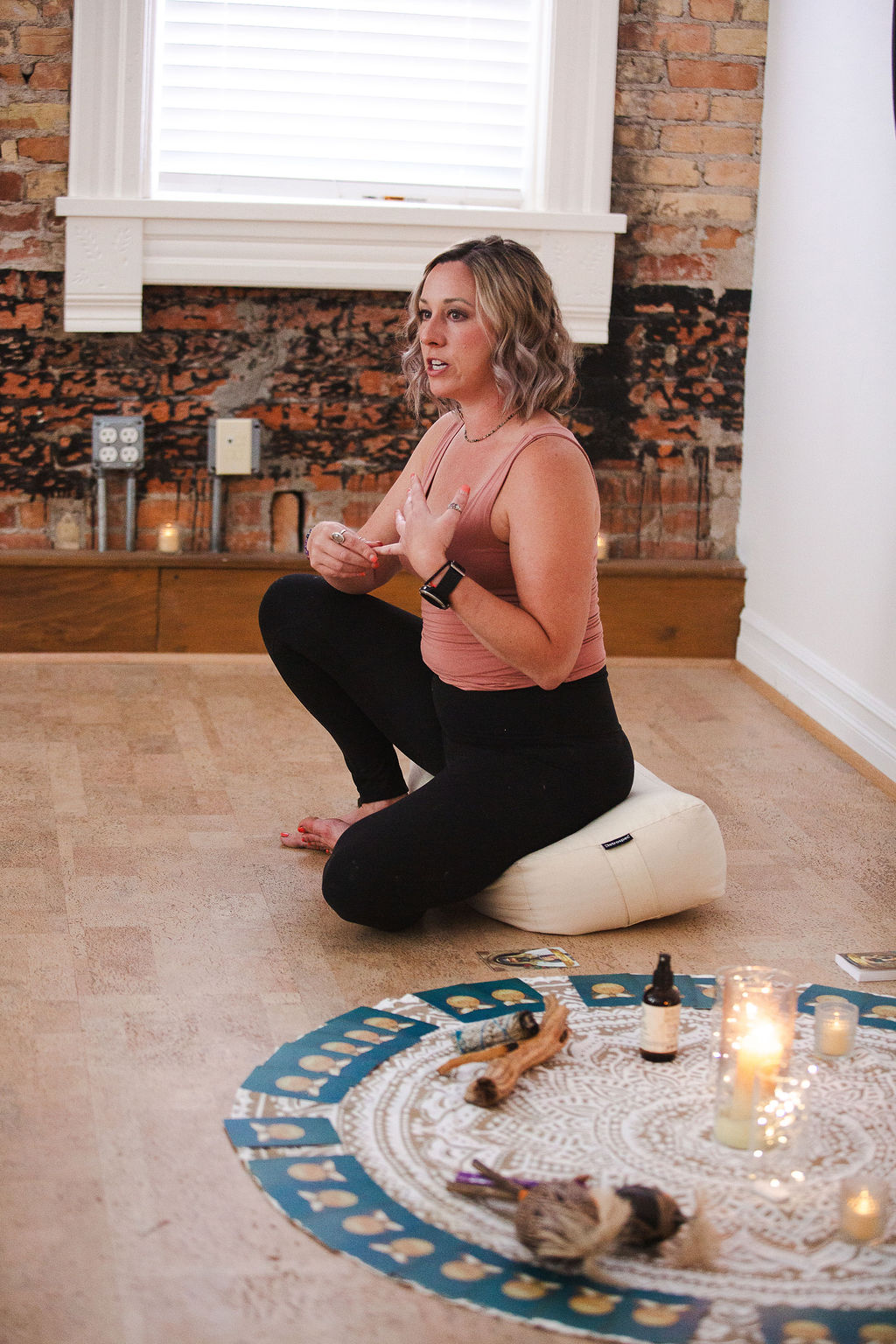
Maybe breathwork changed something in you. Maybe you've watched someone soften, release, reconnect, or finally hear themselves again and thought, I want to know how to hold this.
You may already be a coach, therapist, healer, practitioner, or space holder looking for a modality that allows you to work beyond conversation alone.
Or maybe you don't have a title for what you're becoming yet. You simply know there is something about this work that keeps calling you back.
You don't need to arrive at Embodied Breath Academy with a perfectly mapped-out business or a five-year plan.
You do need a willingness to experience the work yourself, to practice, to receive feedback, to get curious about your own patterns, and to learn how to hold another human being with presence instead of performance.
Breathwork technique matters. But technique is only one piece of facilitation. The person in front of you is not a script, a checklist, or a perfectly predictable experience.
The mechanics, techniques, physiology, contraindications, sequencing, music, language, and intentional construction of a breathwork experience.
How activation and regulation can show up, how to recognize different responses, and how to facilitate with greater awareness of safety, choice, pacing, and individual experience.
Your presence enters the room before your words do. This work asks you to notice your own patterns, trust yourself, receive feedback, and develop the capacity to stay present without needing to control someone else's process.
EBA isn't designed to teach you how to perform the role of a facilitator.
It's designed to help you become one.
I want you to leave this academy sounding like you, trusting you, and knowing why you're making the choices you're making when you facilitate.
You will learn frameworks, breath patterns, nervous-system principles, facilitation tools, language, sequencing, ethics, scope, and structure.
But I'm not interested in handing you a script and asking you to memorize my voice.
Because the person breathing in front of you may not need the next line you planned to say.
They need you present enough to notice what's actually happening.
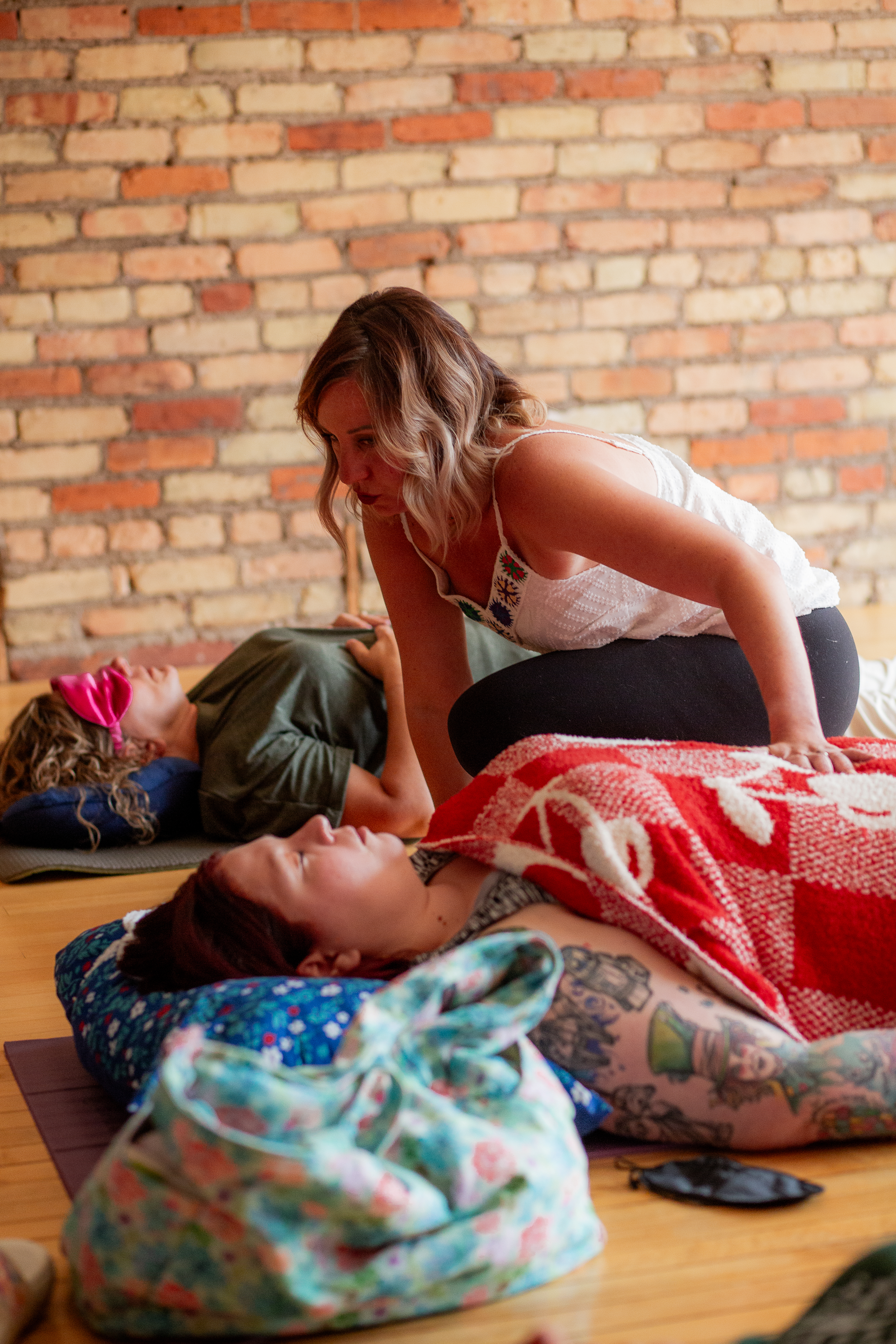

This is where we move from the calling into the craft: the breath, the nervous system, the human experience, facilitation, practicum, integration, and bringing the work into the world.
Over six months, we move through the layers that shape an embodied facilitator, from understanding the breath itself to learning how to hold space, practice the work, integrate it into your own life, and eventually bring it into the lives of others.
Learn breath patterns, mechanics, physiology, contraindications, sequencing, journey construction, music, language, and how different elements of a breathwork experience work together.
Explore nervous-system regulation and activation, trauma-informed principles, pacing, choice, different responses that can arise during breathwork, and ways to facilitate with greater awareness.
Develop presence, confidence, language, intuition, music selection and facilitation skills while learning how to stay connected to the person in front of you rather than disappearing into a script.
Explore somatics, subconscious patterns, emotional experiences, integration, boundaries, ethics and scope so that you understand both the possibility and the responsibility of this work.
Move beyond theory through one-on-one facilitation, group experiences, feedback, reflection and practicum. You will have space to practice before you're expected to step into this work on your own.
Explore offers, pricing, events, experiences, retreats, marketing and ways to integrate breathwork into an existing practice or begin building something entirely new.
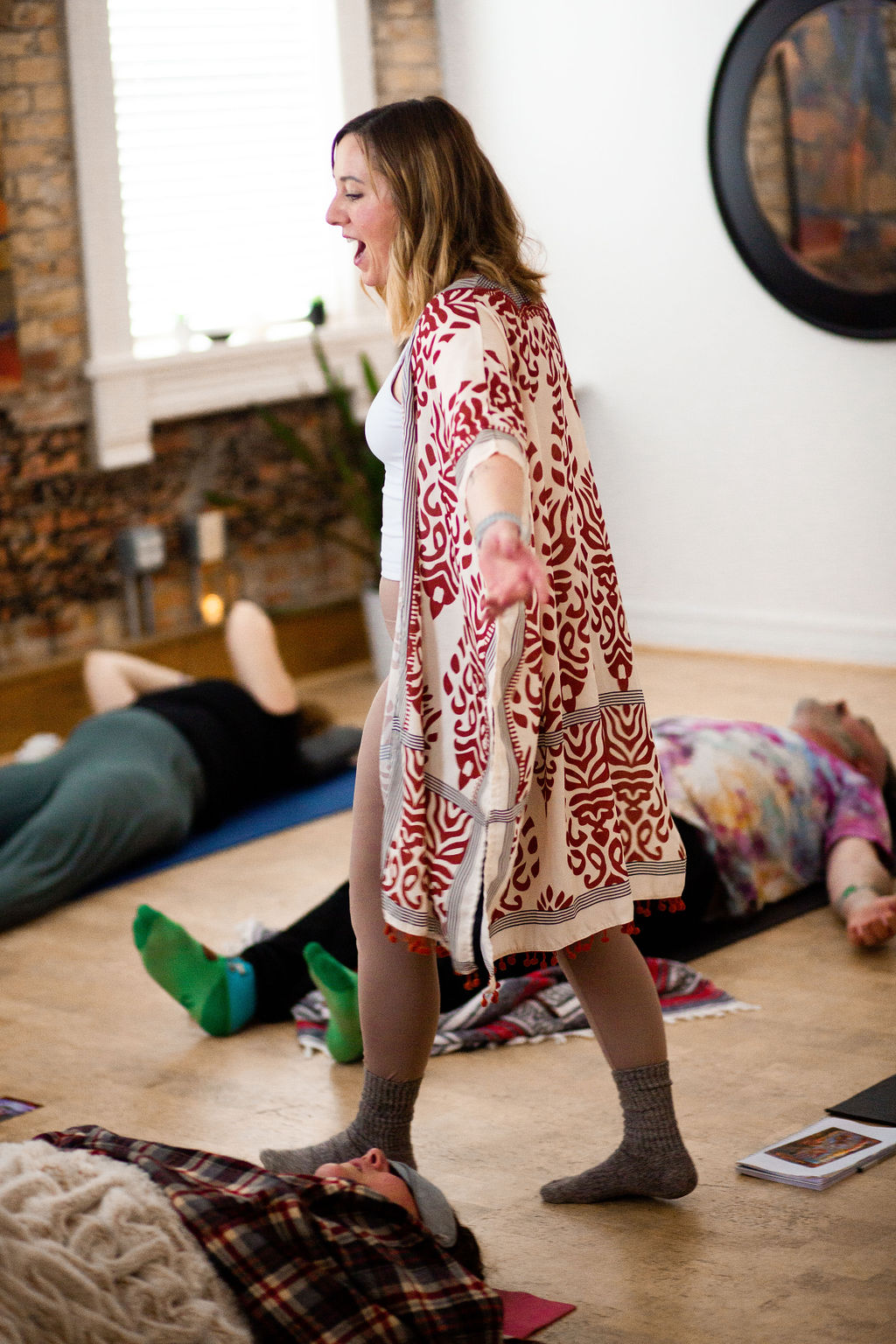
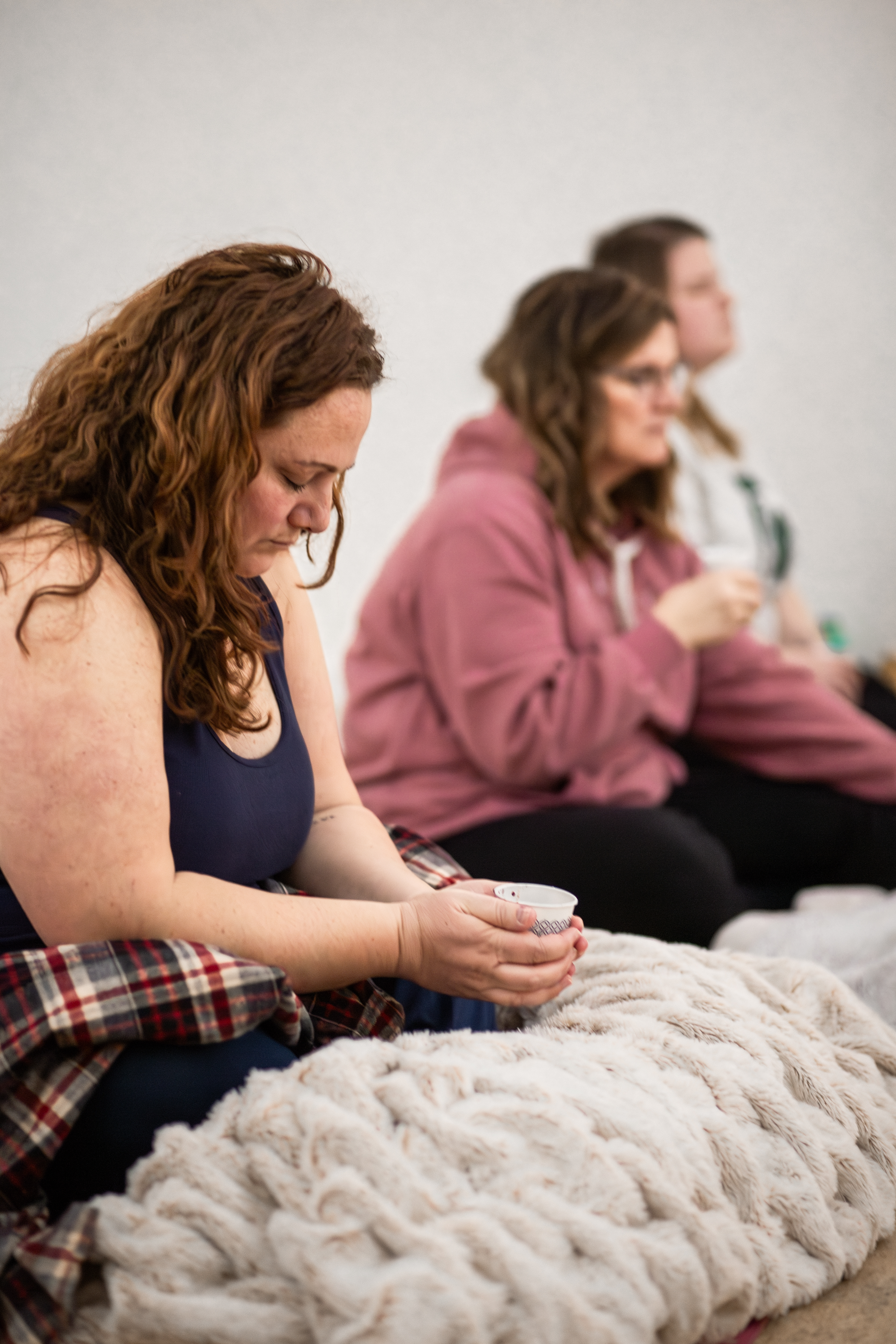
Every person enters this academy from a different place. Different experience. Different questions. Different reasons for feeling called to this work.
And that's intentional.
EBA isn't about producing facilitators who all sound, teach or lead the same way. It's about giving you the education, experience, mentorship and practice to discover how this work moves through you.
EBA gives you room to learn something, experience it, practice it, receive feedback and return to it again. The academy unfolds in phases so your skill and confidence can develop alongside your own embodiment.
Begin with the foundations of breathwork, the body and the nervous system while deepening your own relationship with the breath.
Continue learning while experiencing the work from the inside. Notice your own patterns, responses and edges and begin understanding why embodiment matters when you're the one holding the room.
Move deeper into language, music, sequencing, presence, intuition, session structure and the practical skills involved in guiding another person through breathwork.
Begin facilitating more intentionally. Take what you've learned out of the notebook and into real experiences where you can practice, observe yourself and develop your own rhythm.
Receive feedback, ask questions, troubleshoot what you're encountering and refine the way you facilitate as your confidence and capacity grow.
Bring the pieces together. Integrate your training, your practicum and your own voice while exploring how breathwork can become part of your work, your business and the spaces you're ready to lead.
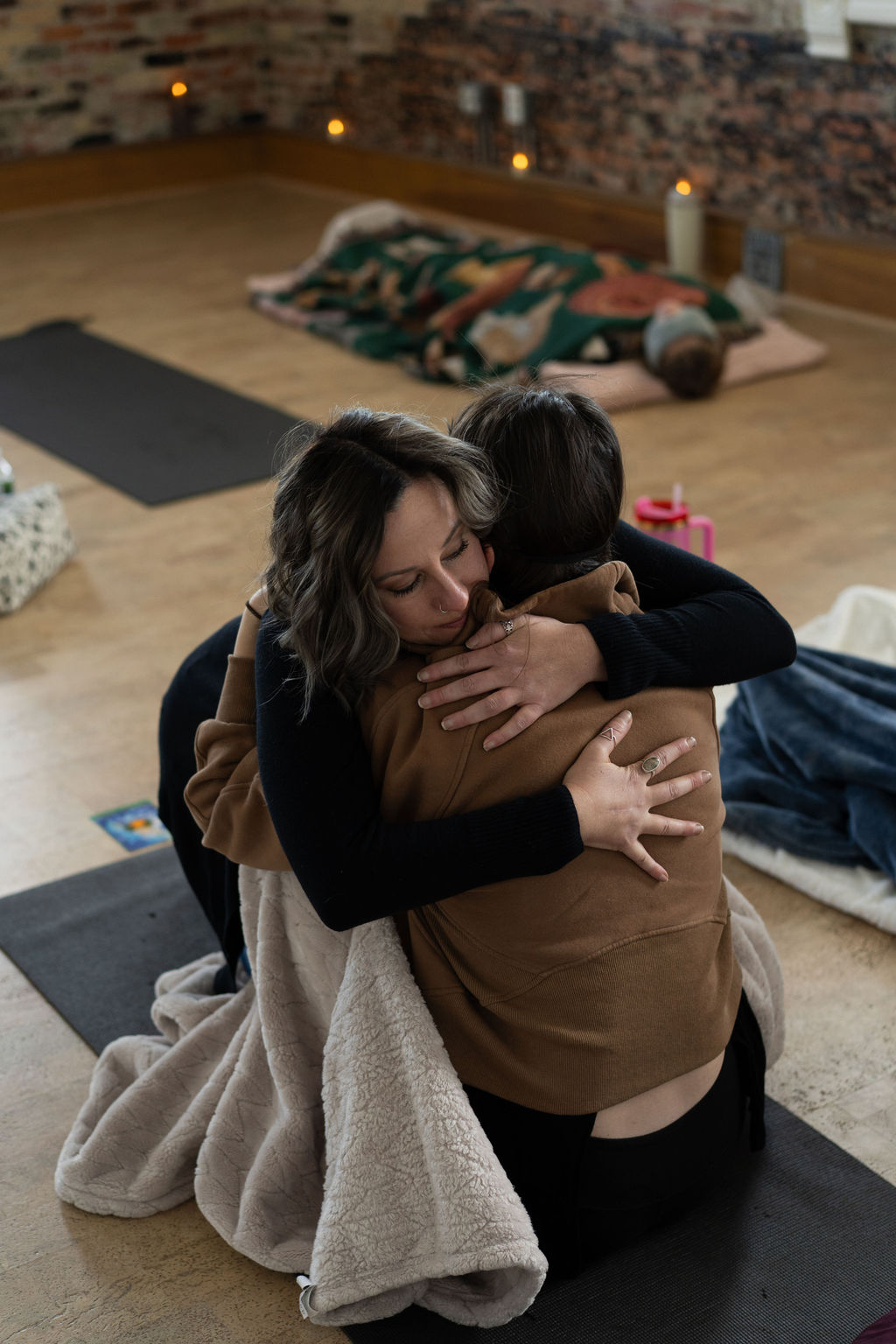
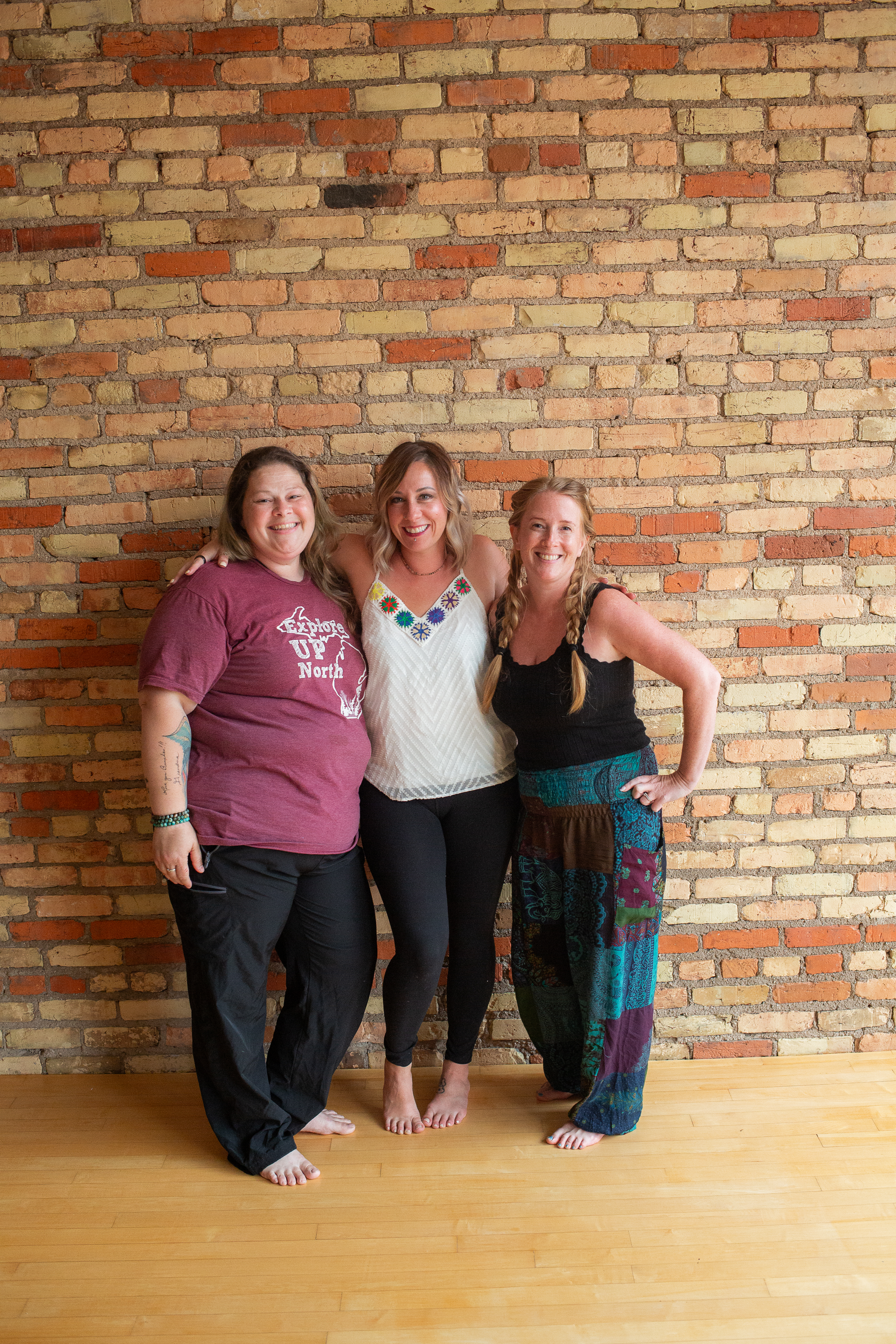
Your first paying client shouldn't be the first person you've ever guided through breathwork.
The practicum portion of EBA exists because confidence isn't something I can hand you during a lecture.
You build it by facilitating.
By hearing yourself guide the room. By noticing where you freeze or overthink. By learning what happens when a session doesn't unfold exactly the way you expected. By asking questions afterward. By receiving feedback. And then by doing it again.
This gives you space to move from "I understand what I'm supposed to do" toward "I trust myself to be here."
EBA was built around mentorship, live experience, community, continued practice and the kind of support that allows you to ask the questions that only appear once you begin doing the work.
Apply for EBAThe curriculum matters, but so does having somewhere to bring your questions, experience the work yourself, practice with real people, receive support and continue refining the facilitator you're becoming.
Live teaching and embodiment calls designed to move you through the curriculum while giving you space to learn, ask questions and integrate.
Continue experiencing breathwork from the inside. Your own relationship with the work remains part of learning how to guide it for someone else.
Bring your questions, practicum experiences, facilitation edges and the moments that don't fit neatly into a prerecorded lesson.
Complete 30 one-on-one facilitation hours and three group experiences so your training includes actual practice, not theory alone.
Learn alongside people who are also stretching, practicing and becoming. You don't have to navigate every question or growing edge by yourself.
Return to the material as you learn and practice, with recordings and training resources available to support deeper integration.
Practical tools and resources to support you as you begin constructing experiences and developing your own facilitation process.
Explore how to bring breathwork into your current work or begin building offers, events and experiences around your new facilitation skills.
Learn from Chelsea's experience creating and hosting retreats, including the practical pieces behind bringing an immersive experience to life.
Students who successfully complete the academy requirements receive their Embodied Breath Academy facilitator certification.
Practice gives you information. Mentorship helps you understand what to do with it. Receive guidance as you develop your confidence and facilitation style.
Perhaps the most important piece: enough time, experience and support to let this work become something you embody rather than simply understand.
You leave with tools. But the deeper intention is that you leave knowing how to think, feel, discern and respond as a facilitator without needing someone else's script in your hand.
One of the things I love most about this work is watching each person begin to trust the way they naturally hold space.
Some students come into EBA knowing exactly how they want breathwork to fit into their work.
Others arrive because something inside of them knows they're supposed to be here long before they can explain what they'll eventually create with it.
Hear Kelli share her experience of Embodied Breath Academy and what the journey looked like from the inside.

I found it because I experienced what it could open inside of me, and I couldn't stop wanting to understand it more deeply.
My own path into this work wasn't linear.
I moved through coaching, NLP, hypnosis, nervous-system work, somatics and breathwork while continuing to ask a question that has shaped so much of the work I teach today:
What actually helps a person move beyond understanding their patterns and begin experiencing something different in their body and their life?
Breathwork became one of the most powerful pieces of that exploration for me.
And when I began facilitating, I realized quickly that knowing a breathing technique was not enough.
Holding space asks something of the facilitator too. Presence. Discernment. Responsibility. Practice. The willingness to keep learning.
Chelsea's training includes Pause Breathwork, Psychic Breath, somatic trauma education through The Embody Lab, NLP and hypnosis, alongside years of coaching, facilitation, group experiences and retreat leadership.
EBA grew from everything I wished was emphasized more when I was learning: not simply what to say, but how to understand what you're doing, how to practice it, how to stay connected to yourself, and how to trust the facilitator you're becoming.
Apply for EBAA week together in El Salvador to breathe, practice, facilitate, integrate, connect and experience what changes when this work is lived together in person.
It's an opportunity to bring six months of learning into an environment where we can practice, experience and live the work together.
The immersion creates space for deeper connection, in-person facilitation, embodiment and integration away from the pace and distractions of everyday life.





Join Embodied Breath Academy as a six-month certification experience, or deepen the journey by adding the El Salvador immersion.
Explore Investment + ApplyChoose the six-month certification experience, or expand your training beyond the screen with the in-person El Salvador immersion.
The complete six-month Embodied Breath Academy facilitator certification and mentorship experience.
Everything inside the six-month certification, plus the in-person El Salvador immersion. The immersion begins at an additional $3,500, with the final price based on room selection and occupancy.
Payment plans are available.
You can indicate your preferred investment option
inside your application, and we can talk through
the available options during your application call.
Special enrollment offer: Eligible applicants who are accepted and enroll during the promotional period receive a $500 credit toward the $5,000 EBA certification tuition, bringing tuition to $4,500. The credit is applied at enrollment, not at application submission, and cannot be combined with other credits or promotions. El Salvador accommodation pricing is determined separately by room selection and occupancy.
It's asking you to be willing to become one.
You do not have to arrive completely confident. You do have to arrive willing.
If your question isn't answered here, you can also bring it to your application call.
You do not need to already be a breathwork facilitator. EBA is designed to teach facilitation from the foundation forward. Having your own experience with breathwork is valuable because this academy asks you to experience and embody the work as you learn to guide it.
No. Some students come into EBA with an established practice and want to integrate breathwork into the work they already do. Others arrive because they've experienced breathwork personally and feel called to learn how to facilitate it. You do not need to have your future business completely figured out before you begin.
Embodied Breath Academy is a six-month certification experience. The length is intentional. It gives you time to learn, experience, practice, receive feedback and integrate rather than trying to rush through facilitator training in a few weeks.
The academy includes live teaching and embodiment calls, live breathwork experiences and office hours throughout the six months. The current cohort schedule and attendance expectations will be reviewed with you before enrollment so you understand the commitment you're making.
Training recordings are available for review. Because EBA is an experiential certification rather than a self-paced course, there are also participation and completion requirements associated with certification. We'll make sure you understand those expectations before you enroll.
The practicum includes 30 one-on-one facilitation hours and three group facilitation experiences. This gives you the opportunity to practice guiding real breathwork experiences before completing your certification.
Trauma-informed principles, nervous-system awareness, choice, pacing, boundaries, ethics and scope are woven throughout EBA. The training is designed to help facilitators approach breathwork with greater awareness and responsibility.
EBA does not qualify a graduate to diagnose or treat medical or mental-health conditions unless they separately hold the professional credentials required to do so.
You may still find EBA valuable if you're looking for deeper mentorship, embodiment, nervous-system education, facilitation practice, feedback and support developing your own voice. Your application call gives us space to talk about what you've already learned and what you're hoping to deepen.
No. You can complete Embodied Breath Academy as the six-month certification experience for $5,000. The El Salvador immersion is optional and starts at an additional $3,500. Combined EBA and immersion investment starts at $8,500, with final pricing based on room selection and occupancy.
The El Salvador option includes the EBA certification plus the immersion experience, selected accommodations, food during the immersion and the planned in-person experiences. Immersion pricing starts at $3,500 and varies by room selection and occupancy. Your flight to and from El Salvador is not included.
Yes. You can indicate inside your application whether you're interested in paying in full, using a payment plan or discussing your options during your call.
After submitting your application, you'll be directed to schedule a conversation with Chelsea. The call is an opportunity to talk about what is calling you toward EBA, answer your questions and explore whether the academy feels aligned for both of us.
Applying does not commit you to enrolling, and submitting an application does not automatically guarantee acceptance.
You don't have to know exactly where this path leads.
Tell me a little about where you are, what is calling you toward this work and what you hope becomes possible through Embodied Breath Academy. If it feels like there may be alignment, the next step is a conversation together.
Submitting an application does not guarantee acceptance into Embodied Breath Academy. Applying is simply the beginning of the conversation.
Maybe the next step is simply trusting the part of you that keeps coming back to this work.
Start Your Application